A pallet racking project is often viewed as a supply and installation exercise.
Steel arrives on site. Frames go up. Beams are installed. Pallets are loaded.
But in reality, a safe and reliable warehouse storage installation is not just a collection of steel components.
It is an operational system that moves through several controlled stages before it becomes part of daily warehouse activity.
When those stages are clearly defined and verified, the result is a storage solution that performs safely and efficiently for decades. When they blur together, assumptions can slip through unnoticed.
Those missed assumptions often show up later as damage, inefficiency, or safety concerns.
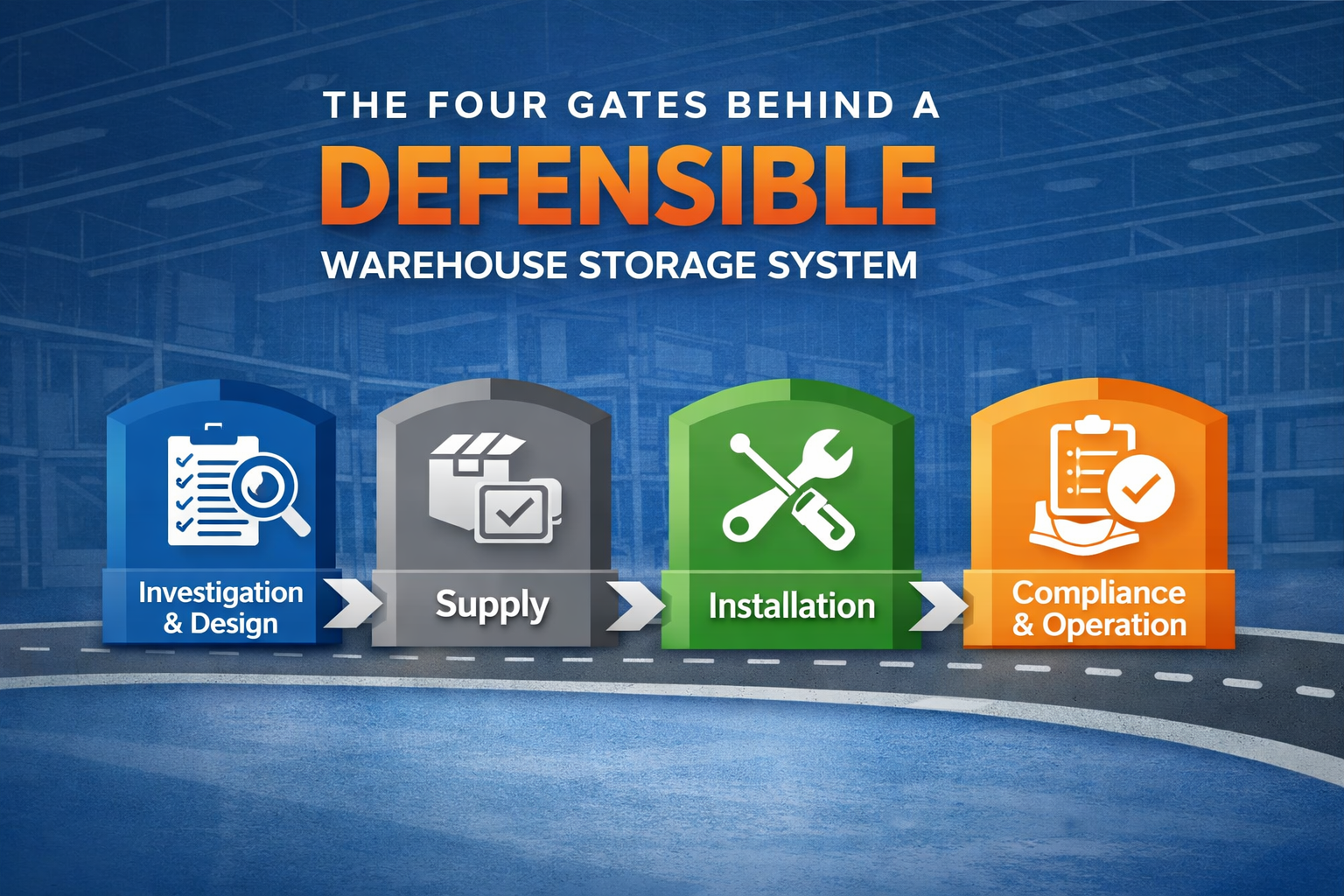
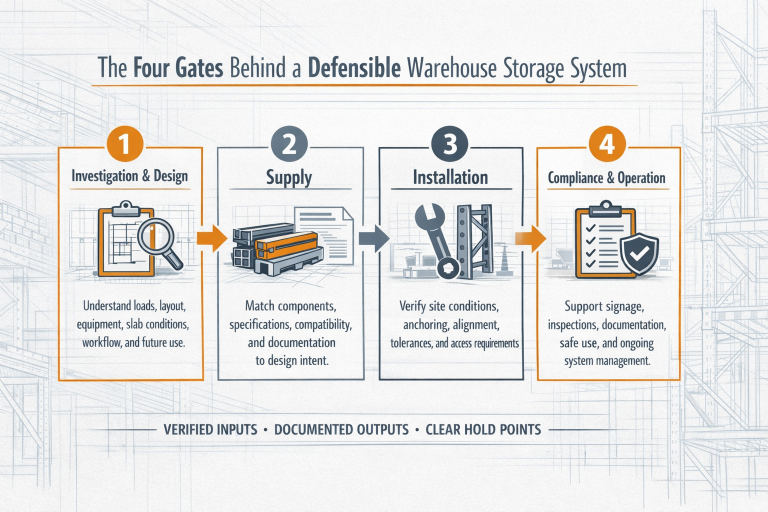
At SSO Handling & Storage, we think about storage projects as passing through four distinct gates.
Each gate has its own inputs, responsibilities, and checks before the next stage begins.
Gate 1: Investigation and Design
Every storage system begins with investigation and design, but this stage is often underestimated.
Warehouse storage design is not simply about fitting the maximum number of pallet positions into a space.
It requires understanding how the warehouse will actually operate.
Important design inputs include:
- pallet sizes and weights
- product stability and packaging types
- forklift or material handling equipment dimensions
- aisle widths and turning clearances
- slab conditions and anchoring requirements
- layout logic, workflow and throughput
- software system integration or implementation. WMS, RAMS, Automations etc
- safety and compliance
- seismic and wind tolerances
- potential future operational changes
In Australia, pallet racking systems are commonly designed and assessed in accordance with reference to AS 4084 Steel Storage Racking, which provides guidance on structural performance, load capacity, and inspection requirements.
However, standards rely on accurate operational inputs. If pallet weights, handling equipment, or slab conditions are misunderstood during design, the entire system can be based on incorrect assumptions.
A structured design stage ensures that the system being specified reflects the facility’s actual operating conditions.
Gate 2: Supply
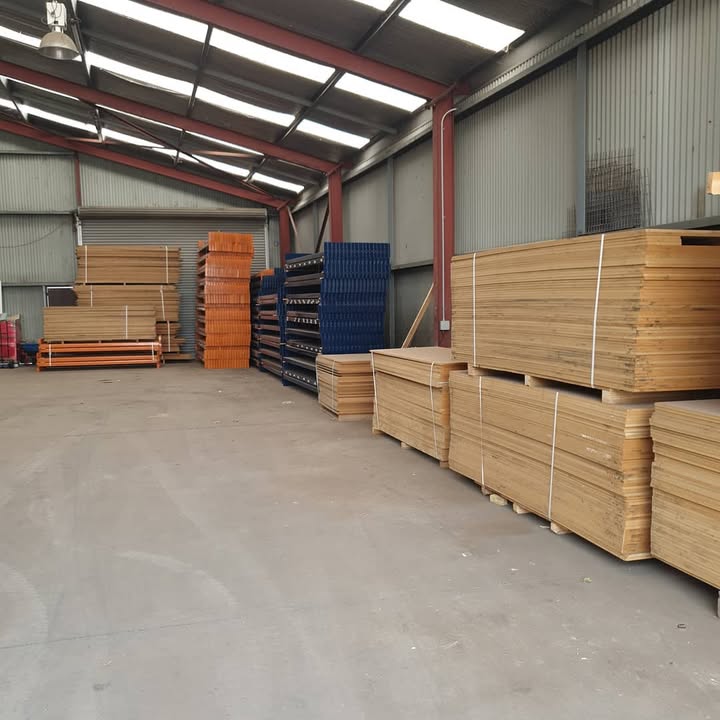
Once the design intent is established, the supply stage ensures the correct components are delivered to the site.
Although pallet racking systems may appear visually similar, they differ in structural characteristics, connection types, and compatibility requirements.
During this stage, several elements must align with the design:
- beam lengths and capacities
- frame heights and bracing configurations
- component compatibility within the system
- supplier documentation and load charts
- corrosion protection for indoor or outdoor environments
Lead times or substitutions can introduce small changes that affect the final system. Even minor variations in beam length or frame configuration can alter storage density, aisle clearances or weight capacity.
Careful supply management ensures that the components delivered to the site match the design assumptions made earlier in the project.
Gate 3: Installation
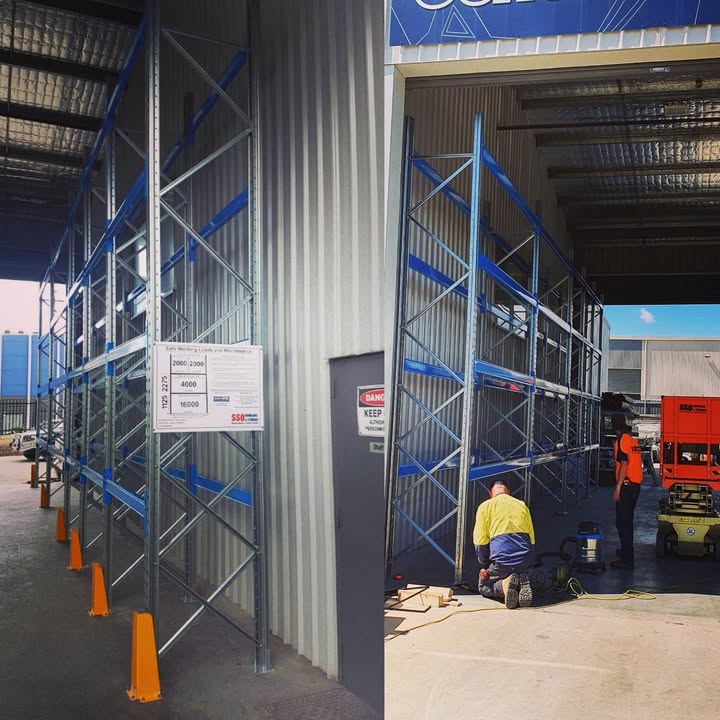
Installation is the most visible stage of a racking project, but it is only one part of the system lifecycle.
Even when design and supply stages have been completed correctly, site conditions may differ from drawings.
Installation must account for factors such as:
- actual building dimensions compared with plans
- floor flatness and slab condition
- anchor installation and embedment requirements
- rack alignment and plumb tolerances
- traffic flow and operating clearances
Outdoor installations will also require consideration of wind exposure, drainage, and corrosion protection.
Correct installation ensures that the structural assumptions made during design are achieved in the finished system.
This stage also establishes the baseline condition against which future inspections will be measured.
Gate 4: Compliance and Operation
The final gate begins once the system enters operational use.
Safe operation depends not only on correct installation, but also on how the system is used and maintained over time.
Operational management typically includes:
- load signage identifying load capacities and safety directives
- documentation of the installed system, including material types and elevations
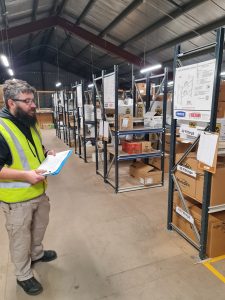
- regular internal (informal) visual inspections
- periodic expert inspections (at least every 12 months)
- damage reporting procedures and rectification logging
- defined responsibilities for system maintenance
- operator training for how to safely use pallet racking and read a load sign
- racking safe use guidelines
Standards such as AS 4084 provide guidance for routine inspection and monitoring to identify damage early and maintain safe operating conditions.
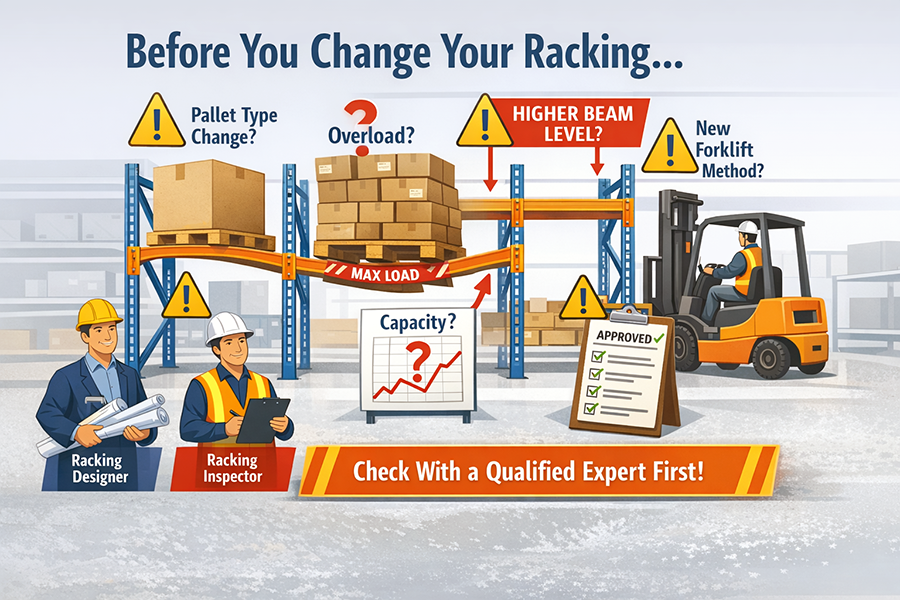
Any change to pallet type, load weight, beam levels, or forklift operating method can affect the assumptions used when the system was originally designed.
A Defensible System
A storage system is only defensible when the assumptions made at design are still true in operation.
When warehouse systems are treated as a sequence of controlled stages, each stage can be verified before the next begins.
This structure helps deliver:
- reduced installation rework
- clearer documentation of system design
- safer operating conditions
- easier inspection and maintenance processes
Ultimately, it provides you with a system that is easier to manage and support over time.
That is the difference between simply installing racking and delivering a warehouse storage system.