

The best time to fix your warehouse problems is before you move them.
A warehouse move is your best opportunity to fix the layout problems you have been living with. Most businesses copy their old layout into the new building — and their old problems with it.
A warehouse relocation creates a window that almost never exists in an operating site: the new building is empty. There is no live stock to work around, no team operating in the space, no constraints from existing racking positions. For a period of days or weeks, it is possible to design the new warehouse from scratch.
Most businesses do not use that window. They copy the old layout — because it is familiar, because it was working well enough, because there was no time to think during the move. And the problems that accumulated over years in the old site travel, unchanged, into the new one.
The planning framework for designing a warehouse correctly is set out in our New Warehouse Fit-Out guide. This page focuses on the move itself: what to plan before the move begins, what racking to bring and what to leave behind, how to sequence the installation, and how to meet compliance obligations at the new site.
"The empty building is your opportunity. Most businesses hand it back before they have used it."
The decisions that determine how well the new warehouse will work are made weeks before move-in — not during it.
Before designing the new site, it is worth identifying what went wrong with the old one. Common problems worth actively avoiding in the redesign:
Understanding which of these apply to the current site allows the new design to avoid them from day one.
Every building is different. The new site's column positions, door heights, floor loading, dock configuration and available height all constrain and enable different layouts. Assessing these before designing the new layout — not after the racking has been ordered — prevents expensive surprises.
warehouse layout design
A common mistake in relocation planning is treating the fit-out as something to organise after the lease is signed, rather than alongside it. Lead times for racking, mezzanines and associated works vary. Compressing the planning and procurement timeline creates pressure on the installation quality and the move-in sequence.
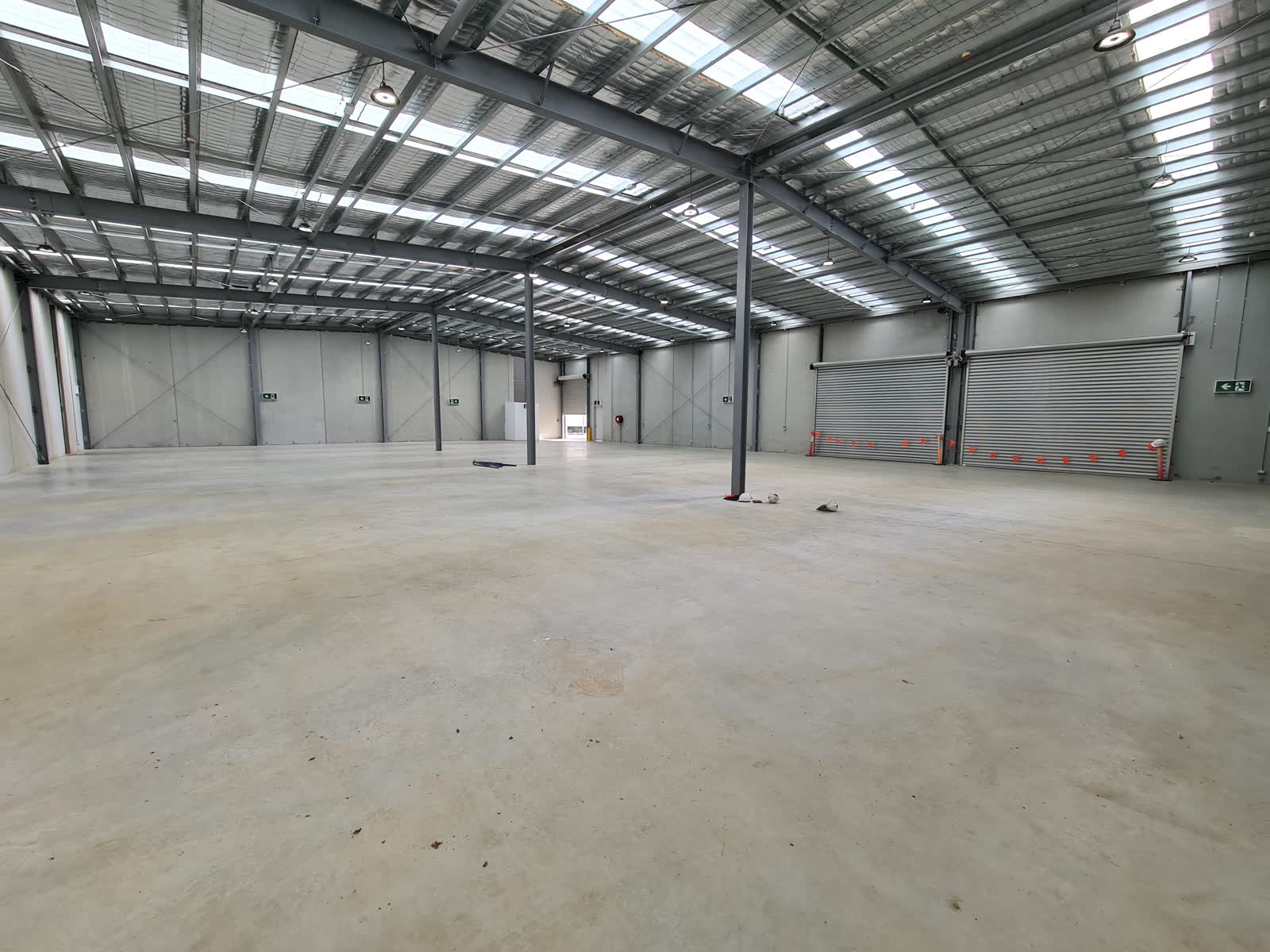
Empty or being-fitted new warehouse space.
Reality: They will — unless they're planned against. A bad picking path, congested receiving or an overloaded stock profile moves house with you. The relocation window is the one chance to design them out.
The assumption that existing racking should be dismantled and reinstalled in the new site is not always correct. In some situations it is. In others, the cost of dismantle, transport and reinstallation — and the downtime involved — comes close to or exceeds the cost of new racking configured correctly for the new site.
Factors that favour reusing existing racking:
Factors that favour replacing:
pallet racking
Where racking is being reused, a condition assessment before dismantle is important. Damaged components should be identified and replaced rather than relocated.
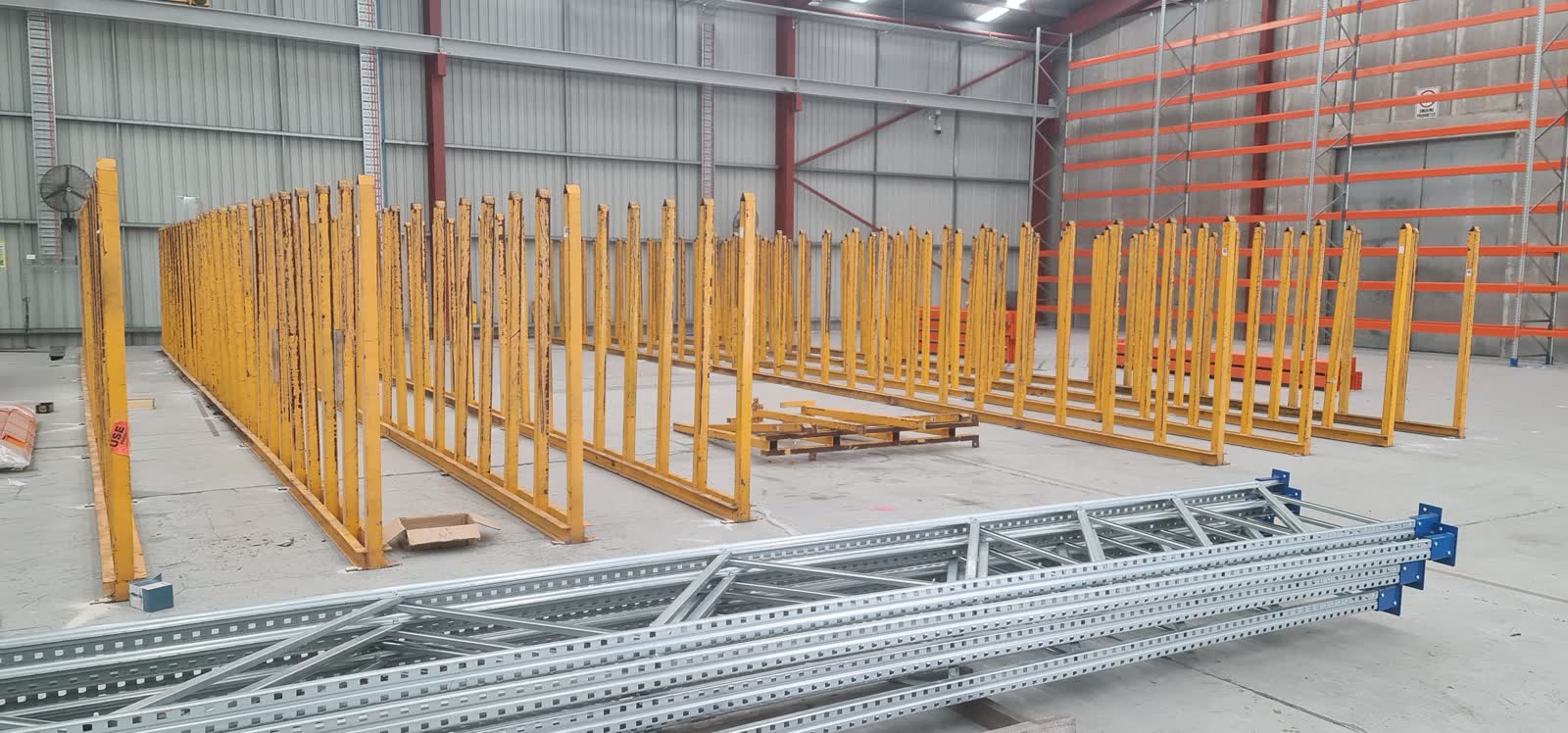
Racking frames staged on floor before installation.
The sequence of installation in a new warehouse affects how quickly the site becomes operational and how much disruption the move creates.
Relocation sequencing flow: site assessment → layout design → racking installation (structure first, then beams) → compliance checks → stock transfer begins → zone by zone completion → operational handover. Should show dependencies clearly — each step enables the next.
A practical sequence for most warehouse relocations:
Identify which storage zone is needed earliest — typically the highest-turn stock or the inbound receiving area. This zone goes in first at the new site, allowing the first stock transfers to begin before the entire installation is complete.
Traffic management, emergency egress marking, pedestrian separation and any required safety barriers should be installed before the team begins working in the space. Retrofitting safety infrastructure into a partially stocked warehouse is more disruptive than installing it before operations start.
Safe working load signage, racking inspection records, and any required documentation should be in place before the warehouse is formally operational. A site that begins operating without these in place creates obligations that must be addressed reactively.
AS4084
A warehouse relocation is not just an operational transition. It is also a compliance event.
AS4084 applies to racking reinstalled at a new site; SSO treats reinstallation certification as part of its relocation process and links detailed compliance guidance to the warehouse compliance pathway.
If a mezzanine is being installed at the new site, AS1657 access requirements apply. An SSO mezzanine is a raised industrial storage platform intended primarily for storage, picking, staging, shelving, work zones and operational access. Final classification, approvals, engineering, access and compliance requirements depend on intended use, site conditions, local authority requirements, engineering review and project scope.
AS4084
WHS obligations apply from day one of operations at the new site. Safe systems of work, traffic management and emergency procedures should be established before the team begins working in the new space, not after the move is complete.
Staged collection relocation — national cultural institution, Canberra
A major building refurbishment required an entire collection store to be relocated — a multi-year, multi-contractor program where deadlines were fixed and the contents were irreplaceable.
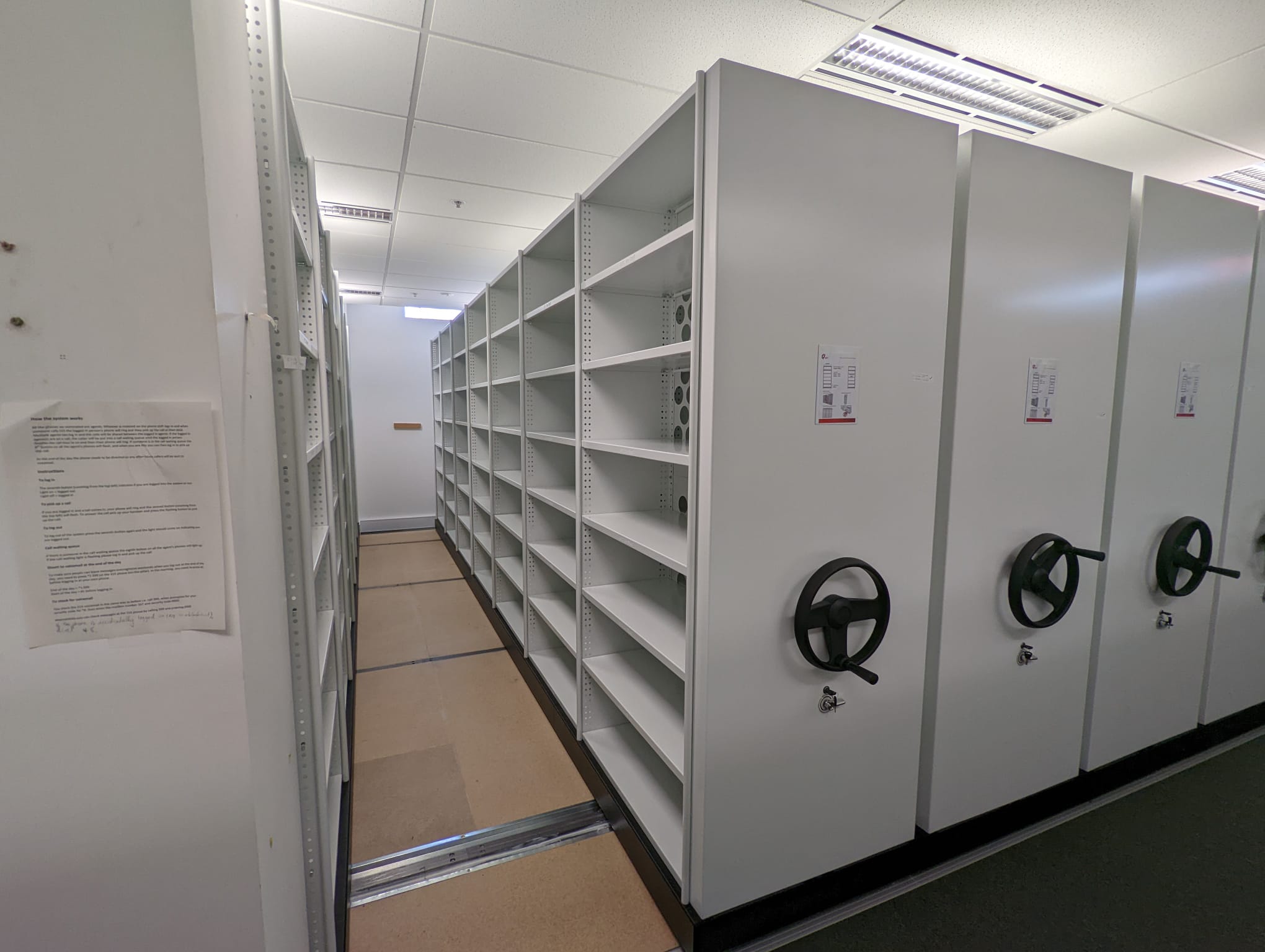
In stage one, SSO was lead contractor: designing and building the mobile aisle-saver shelving that received the relocated collection. When the post-refurbishment stage grew beyond what one team could deliver on deadline, SSO deliberately moved to a specialist role — floor works, measure-out, track fitting and levelling — alongside the project's lead contractors.
Precision floor and track work is what makes mobile shelving succeed or fail, and that's where SSO's experience counted most. Knowing when to lead and when to specialise kept a national project on schedule.
Manifest asset: PHOTOS-195
Most relocation problems start because the new site configuration is left until move-in. We design the new layout first.
Not all racking from the old site is worth reinstalling. We assess condition, configuration suitability and compatibility before the move.
Different site, different council, different building classification. We incorporate a compliance check into the planning process.
We coordinate delivery and installation around your operational timeline — not the other way around.
It depends on the condition of the existing racking, how well it suits the new site, and the economics of dismantle versus new supply. SSO can assess existing racking and provide a comparison before the decision is made. Where racking is being reused, a pre-dismantle condition check identifies components that should be replaced rather than relocated.
As early as possible — ideally before the lease on the new site is signed. Assessing the new building's constraints (column positions, floor loading, height clearances) before committing to a layout, and allowing time for racking supply and installation lead times, reduces the risk of compressed timelines affecting quality.
Often yes. Where access to the new site is available before the old site is vacated, installation can begin on the zones needed first. This overlap between old-site operations and new-site installation is the most effective way to minimise downtime during a relocation.
SSO's role in a relocation typically covers: assessment of existing racking, layout design for the new site, supply of new racking where needed, dismantle and reinstall where racking is being reused, installation sequencing, compliance-aware support, and coordination of partner trades where required. Scope varies by project.
Yes. AS4084 compliance is tied to the installation — the site, the floor, the building and the intended use. Racking that was compliant at the previous site must still meet AS4084 requirements at the new site. SWL calculations and signage apply to the new installation, not the old one.
The planning conversation is more useful before the racking is ordered than after. Bring the new building's drawings and tell us what you are trying to fix.
Placeholder target: Warehouse Layout Design
Placeholder page
Placeholder target: Pallet Racking
Placeholder page
Placeholder target: Warehouse Compliance
Placeholder page
Placeholder target: Warehouse Planning Guide
Placeholder page
Placeholder target: Racking Selection Guide
Placeholder page