Most projects start with something specific: a shelving problem, a racking question, a fitout idea, a safety concern, or a warehouse that has outgrown the way it was first set up.
SSO starts by understanding how the operation actually works, then recommends options that suit the job.
Most calls to SSO start with something specific. The useful work begins when we understand what is happening around that request.
The first request is often only one part of the picture.
A business asks for more shelving because spare parts are spreading across benches and floor space.
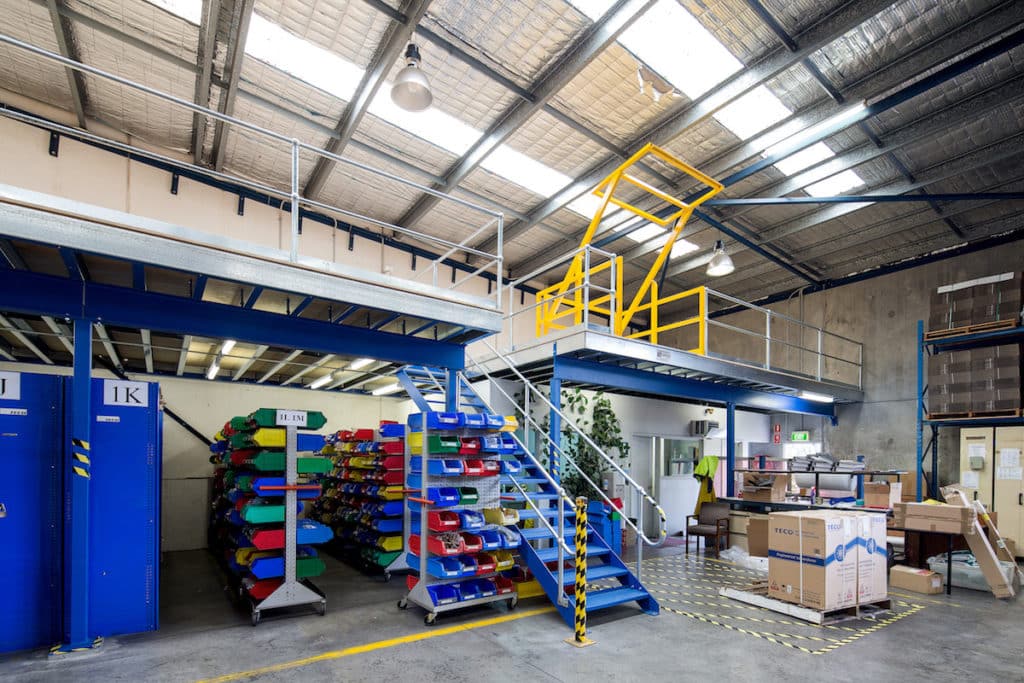
After discussing what is used most often, who needs access, and how orders are picked, the solution may include labelled zones, small parts storage and clearer picking paths rather than only adding shelf space.
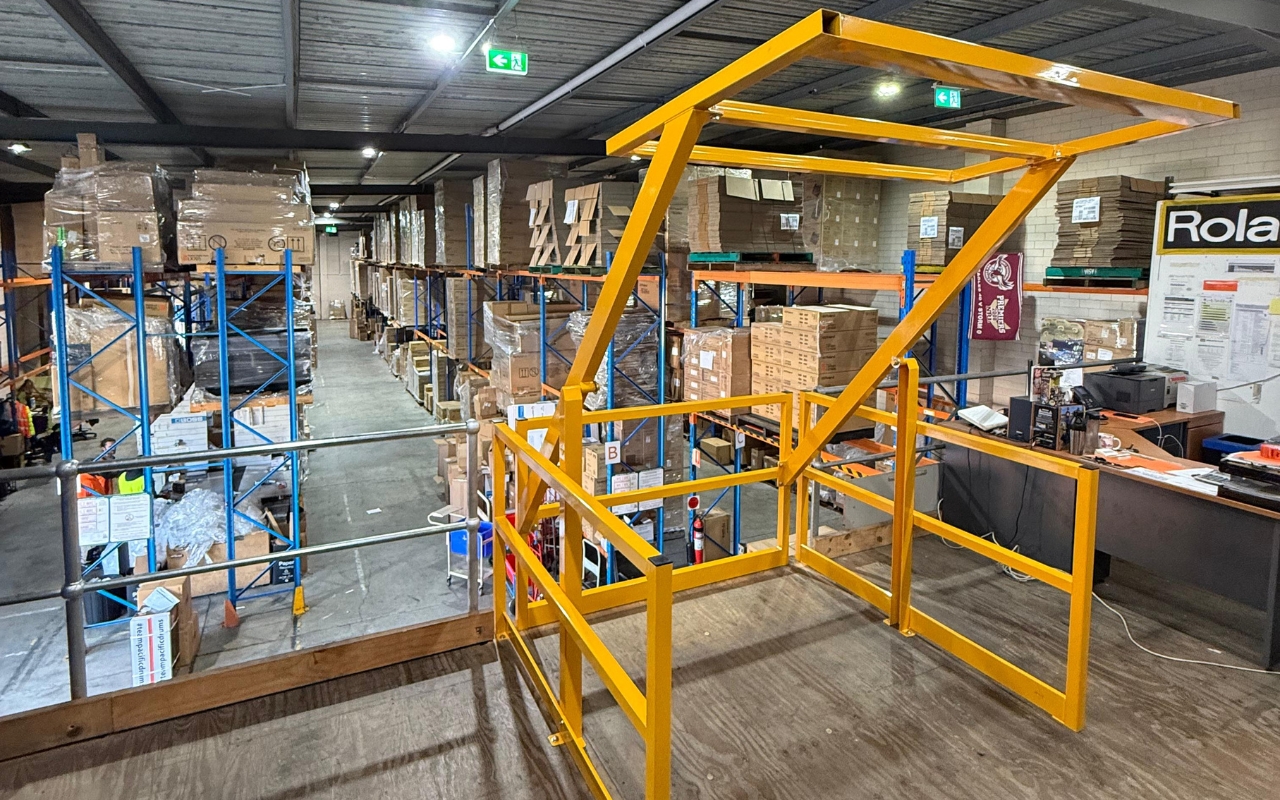
A warehouse asks about a pallet gate for a raised storage area.
The conversation expands to pallet lifting, people movement, stored goods, platform access and staged safety improvements, not just a gate order.
A business moves into a new warehouse and asks for racking prices.
As the site plan develops, the pathway may include shelving, staging, barriers, work benches and future expansion zones so the fitout does not need pulling apart later.
Every job is different. Most follow the same practical path.
Start with the operation. Then shape the system around the work.
A client contacts SSO about a product, issue, fitout, repair, inspection, or idea. We ask what is being stored or handled, how the site operates, who uses the area, what constraints exist, and what needs to improve.
Sometimes the initial request is right. Often practical questions reveal an approach better suited to the operation.
Once the real problem is clearer, SSO recommends suitable systems, products, layouts, fabrication options, installation pathways, or fitout support based on the intended use.
The recommendation should fit the operation, not the other way around.
Depending on the project, SSO supplies, installs, coordinates, fabricates, relocates, upgrades, inspects, or supports the chosen solution.
Many clients return as storage, workflow, safety needs, and business operations evolve.
SSO’s work often crosses several project areas. A client may start with one issue and improve the operation in practical stages.
Space, access, safety, storage and workflow rarely change in isolation.
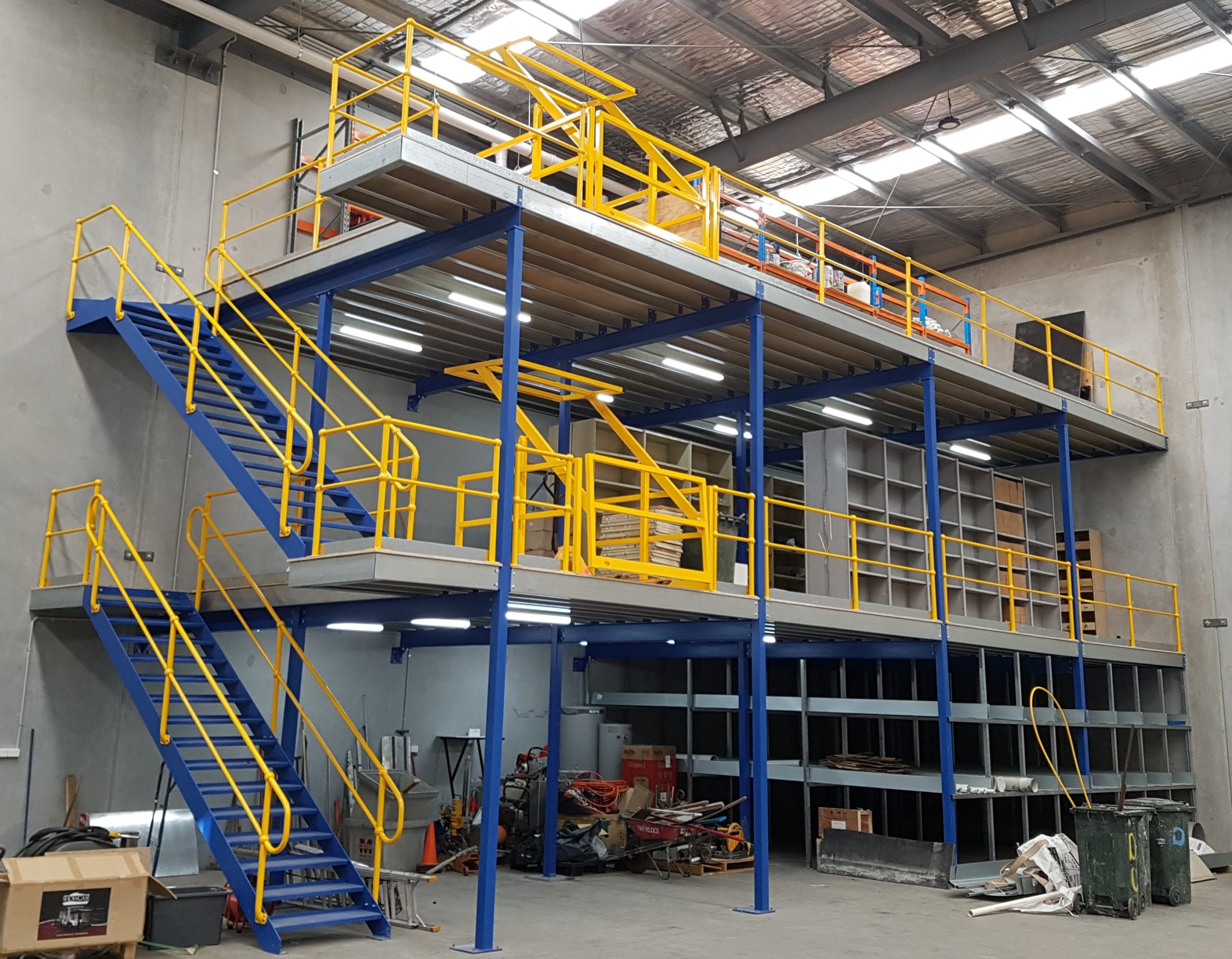
A raised storage area may begin as a need for more space. The pathway also involves intended use, access, pallet handling, picking, safety, staging, and how storage works above and below the platform.
Industrial sites change. Stock profiles change. Teams grow. New equipment arrives. A picking area becomes a dispatch area. A spare parts corner becomes a proper store.
SSO is often most useful when the relationship continues beyond one order.
One project might lead to a later shelving upgrade, then a racking inspection, then a new picking area, then a raised storage area, then an expansion plan. Each stage builds on a better understanding of the client’s operation.
The goal is not to force a full rebuild. It is to support practical, staged improvements that make the site work better over time.
SSO works best with industrial clients who want practical help, straight answers, and solutions that fit the way their site operates.
Sites where stock volume, shelving, racking or picking pressure is building and the current layout needs to work harder.
New tenants and expanding businesses that need storage, access, work zones and future change considered before the site fills up.
Operations where parts, stock, tools or materials need to move clearly through picking, staging, production or dispatch.
Industrial sites where access, separation, racking protection, dangerous goods storage or handling practices need practical attention.
Clients who want improvements to build logically over time, from an immediate issue through to storage optimisation, fitout upgrades, raised storage or expansion planning.
SSO is not trying to be a generic office fitout company or a commercial builder. The focus is practical industrial storage, handling, fitout support, safety-aware upgrades, fabrication, and operational problem solving.
You do not need to have the full answer before speaking with SSO. Start with the product, the storage issue, the fitout idea, or the workflow problem, and we can talk through practical options from there.